
Application Solutions
How UV printing works on each material, and what to watch for in production.
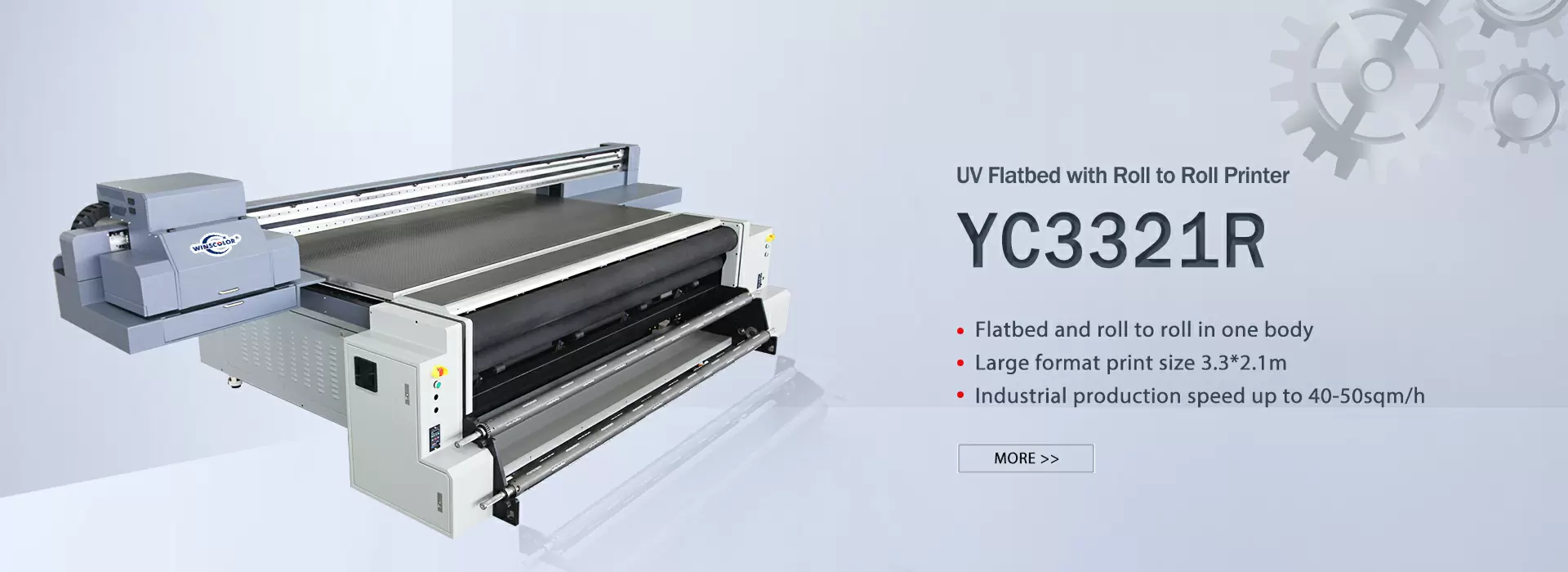
Overview
Application solutions explain how UV printers handle each material: surface preparation, ink layering, adhesion and the finishing steps that follow.
At a glance
| Materials | Acrylic, glass, metal, ceramic, wallpaper, phone shells |
|---|---|
| Process | Surface preparation, white underlay, colour, varnish |
| Equipment | UV flatbed, hybrid and roll-to-roll printers |
Need advice on your material?
Send the substrate and the finish you need, and sales will recommend a process.
Contact salesFrequently asked questions
Which materials need a primer?
Glass, metal and some plastics benefit from an adhesion promoter; the exact choice depends on the substrate.
Is white ink always needed?
White underlay is needed on transparent or dark substrates; opaque light materials can print CMYK direct.
Can UV printing replace screen printing?
For short runs and one-offs it usually can; long runs may still be cheaper on screen.
How is the print protected?
A varnish channel adds gloss and abrasion resistance in the same pass.
Where can I see samples?
Ask sales for samples printed on the material you intend to use.