YC6090
Alternative size and head configuration.

A 1.6 x 1.0 m flatbed for signage, craft work and short production runs.
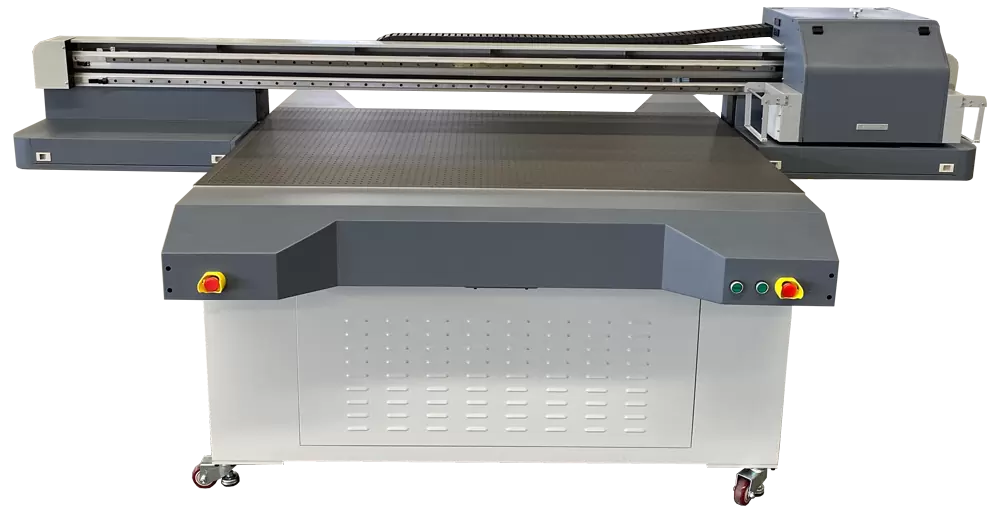
1.6 x 1.0 m table
Ricoh heads
UV-LED curing
| Print bed size | 1600 x 1000 mm |
|---|---|
| Printhead | Ricoh GEN5 / GEN6 series |
| Printhead quantity | 2 to 8 units |
| Print resolution | 1440 dpi |
| Ink drop size | 7 / 14 / 21 pl |
| Nozzles per head | 384 / 1280 nozzles |
| Ink configuration | CMYK + white + varnish channels |
| Curing system | UV-LED lamp |
A short video of the YC1610H printing the material this shop uses most. Keep it under two minutes and show the loading, printing and finished sheet.
To supply: marketing/video · design: video block with poster image


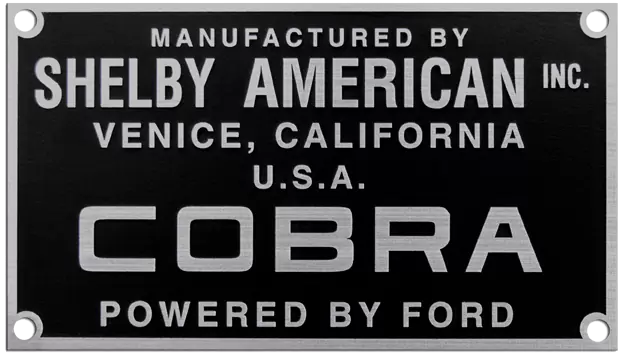
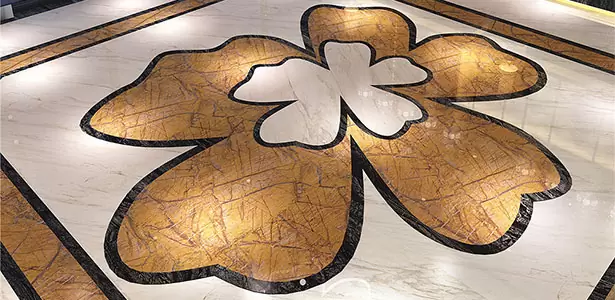


The YC1610H is built around a 1600 x 1000 mm vacuum table. A flatbed works by holding the sheet still and moving the printhead carriage across it, so the substrate never passes through rollers and thick or heavy boards can be printed without a separate feeder. The table is divided into vacuum zones; on smaller sheets the unused zones are closed so the pump pulls only where the material sits.
Table size drives the rest of the production plan. A shop that prints standard 2.44 by 1.22 metre board wants a table slightly larger than the board, so the sheet can be positioned without hanging over the edge. Shops that print smaller parts can run several pieces per sheet and cut afterwards, which usually beats printing one part at a time on a small machine.
Printheads and ink channels are chosen at order time. Ricoh GEN5 or GEN6 heads are fitted in sets from two to eight. A four-head machine handles most signage work. Six or eight heads keep white and varnish running at full speed instead of forcing the colour pass to slow down, which matters in shops that print transparent acrylic or dark metal every day.
Curing is by UV-LED. The lamp output and the carriage speed have to be matched to the ink laydown: too little energy leaves the surface tacky, too much can make a thick ink layer brittle. The operator sets the lamp power and pass mode per material, and a daily scratch test on the margin catches drift before a full run is wasted.
Maintenance is mostly routine. Nozzle checks at the start of each shift, a weekly clean of the capping station, and keeping the guide rails free of dust and ink mist. Most banding complaints trace back to a dirty rail or a partially blocked nozzle rather than a mechanical fault, and both are visible in a nozzle check before the job starts.
Production planning is simpler than on roll machines because each sheet is independent. Long jobs can be staged: print, unload, load the next sheet while the previous one is being finished. The limit is usually material handling around the machine, not the printer itself.
Colour management is worth setting up early. The RIP holds a profile per material and ink set; a profile made on white acrylic will not reproduce on clear acrylic or brushed metal, so the shop builds a small library and re-tests when the ink batch changes. Once the profiles exist, a job that ran last month can be repeated with predictable colour instead of trial prints.
Quality control is visual plus measured. A daily nozzle check, a scratch test on the margin and a periodic colour patch on the actual substrate catch most drift. Shops that print brand work keep an approved sample under the same lighting as the final display and compare against it, because a print that looks correct in the office often reads differently in a shop window.
Tell us the head count, ink channels and voltage you need.
Contact sales